
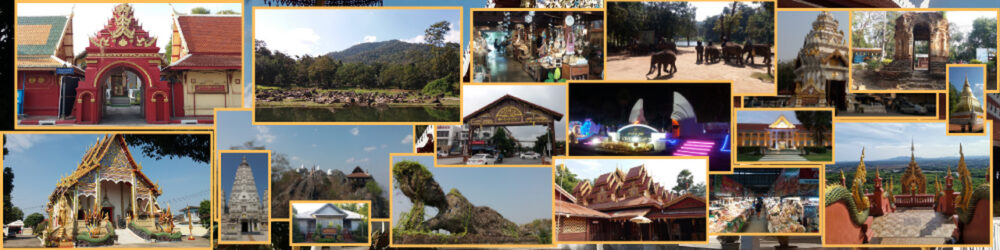


Lampang is the third largest city in northern Thailand and the capital of the province of the same name. It is also known by traditional names such as Wiang Lakon, Khelang Nakhon, and Nakhon Lampang. Other major cities nearby include Chiang Mai and Chiang Rai.
- Lampang – a history dating back thousands of years
- Introduction
- Prehistory
- Ancient and modern history in a nutshell
- Lampang – centuries-old heritage and tourist gems
- Lampang in northern Thailand – an amazing city and province
Lampang – a history dating back thousands of years
Introduction
The city of Lampang was founded in the 7th century during the early period of the Hariphunchai Kingdom (7th-13th centuries) when it was ruled by Queen Camadevi – the first Hariphunchai monarch. She crowned her son Anantayot as the first ruler of Khelang Nakhon, as Lampang was formerly called. The city is therefore one of the oldest in Thailand.

Prehistory
Lampang has played an important role in the history of present-day Thailand, and the history of the region dates back thousands of years. Settlement in the Wang River basin began in prehistoric times. Evidence of this is provided by stone tools and Homo erectus fossils (named Lampang Man) found at the Lampang archaeological site. These findings are dated to between 1,000,000 and 500,000 years ago.
Ancient and modern history in a nutshell

Over the centuries, Lampang was annexed to the Hariphunchai Kingdom (7th-13th centuries) with its capital in Lamphun, and then to the Lanna Kingdom (13th-18th centuries). In the meantime, long wars with Ayutthaya and Burma led to the decline and depopulation of the region.

The turning point came in the 18th century, when a marksman from Lampang, Nan Thipchang, started an uprising against the Burmese. His descendants became the rulers of Lanna until the kingdom was taken over by Siam.

During World War II, Japanese forces established their headquarters in Lampang. The army occupied many business buildings that had previously belonged to British, American, and other nationalities who had fled, as Thailand was the opposing side in the war with the Allies at that time. This resulted in Allied bombing of strategic points, forcing the local population to leave the city. For this reason, among others, the now famous Black Railway Bridge was repainted. It used to be red but was painted black to camouflage it.
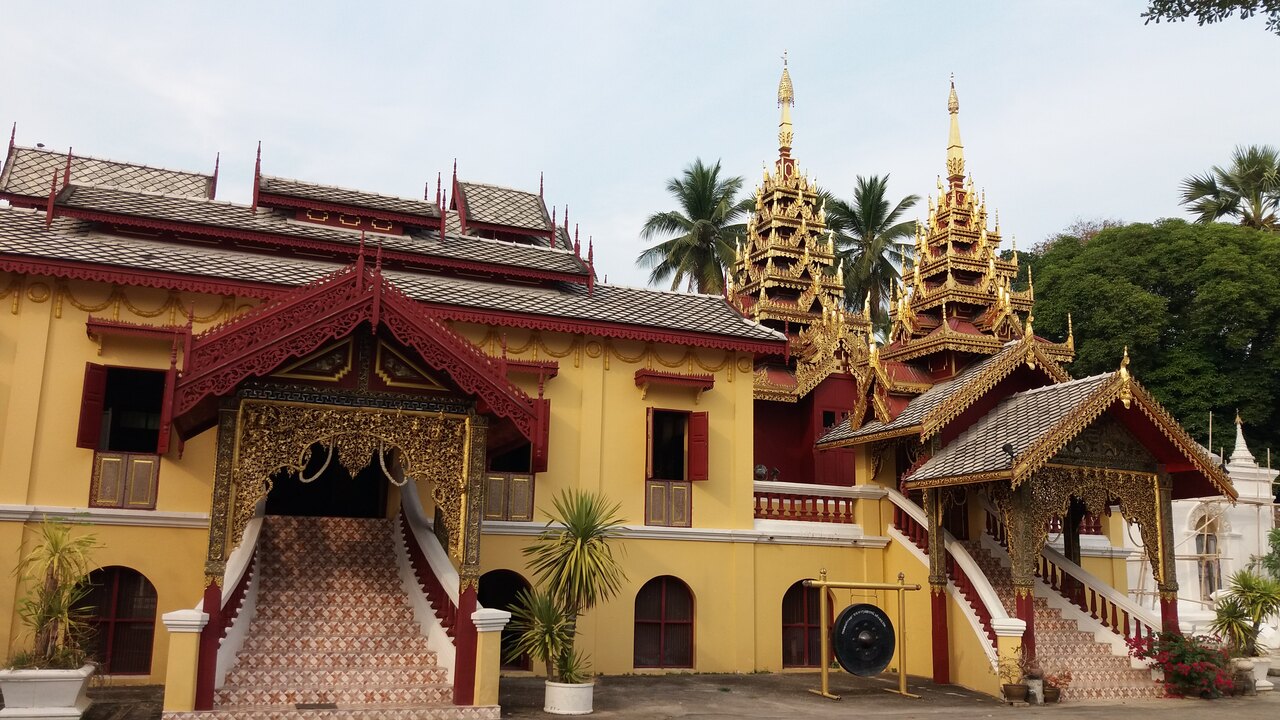
Interestingly, in Lampang you can see many Buddhist temples in the Burmese and Shan style. Moreover, the city is famous for having the most temples of this type among all cities in Thailand, and many of them are valuable monuments.
Today, Lampang plays an important role in the economy and development of northern Thailand.
Lampang – centuries-old heritage and tourist gems
Due to its rich and sometimes turbulent past, Lampang boasts a significant cultural heritage. Individual historical periods have had a major impact on the architecture, art, and customs of this region of northern Thailand, which is visible in many places in the province. Thanks to this, visiting Lampang provides a lot of impressions and unforgettable views.

This is where Wat Phra That Lampang Luang is located. It is one of the most respected temples in Thailand, with a wooden Viharn in the Lanna style, which is considered the oldest in the country.

Another important place is Wat Kaew Don Tao Suchadaram. For 32 years, until 1468, a statue of the Emerald Buddha stood in this temple, which can now be admired in the famous Wat Phra Kaew in Bangkok.
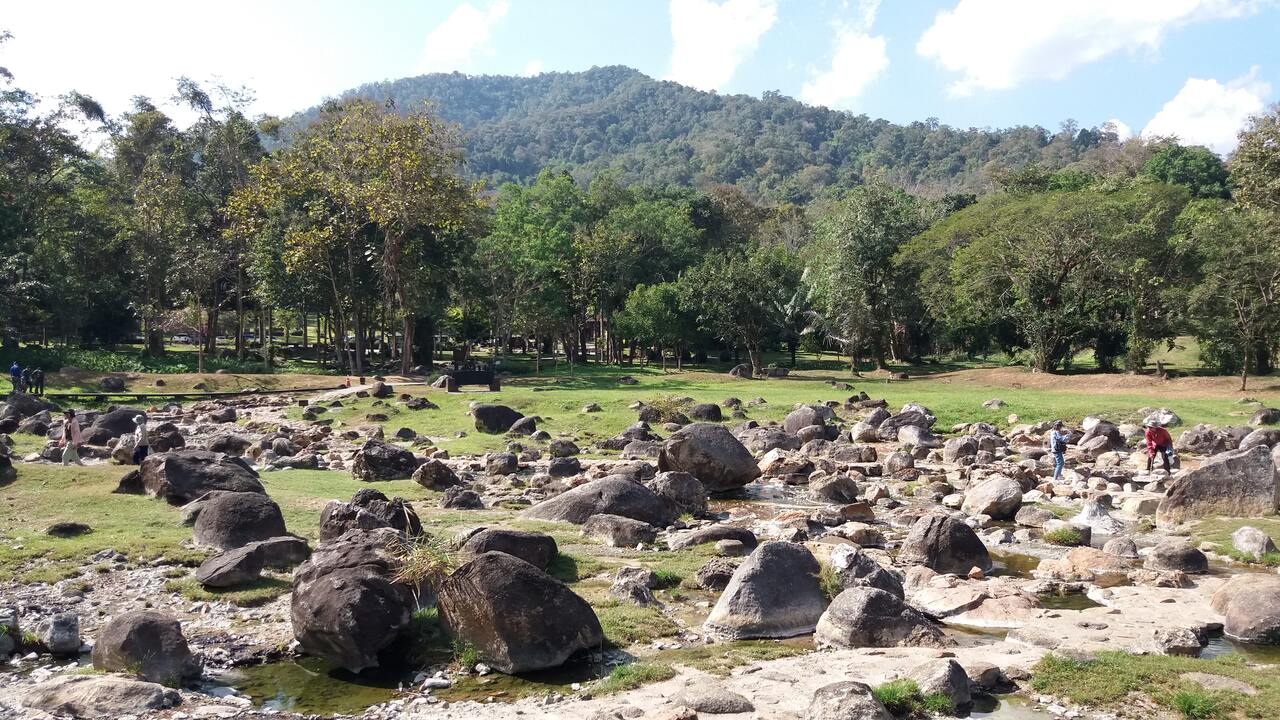
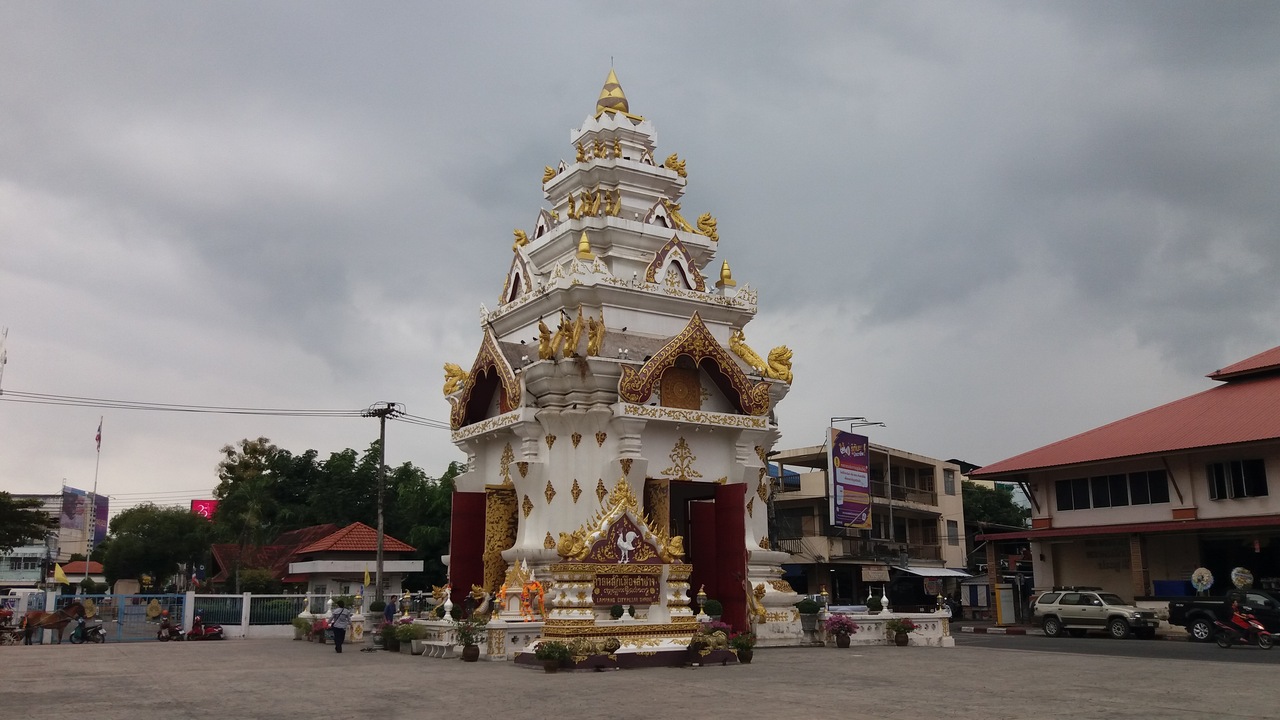
There are also beautiful national parks such as Chae Son, Doi Luang and Doi Khun Tan. It is worth visiting the Lampang Museum and the City Pillar Shrine.

In addition, Lampang is famous for interesting places to do souvenir shopping, such as the Kad Kong Ta Market or the Cultural Street Market. It is also a good idea to taste the local cuisine in the many restaurants.
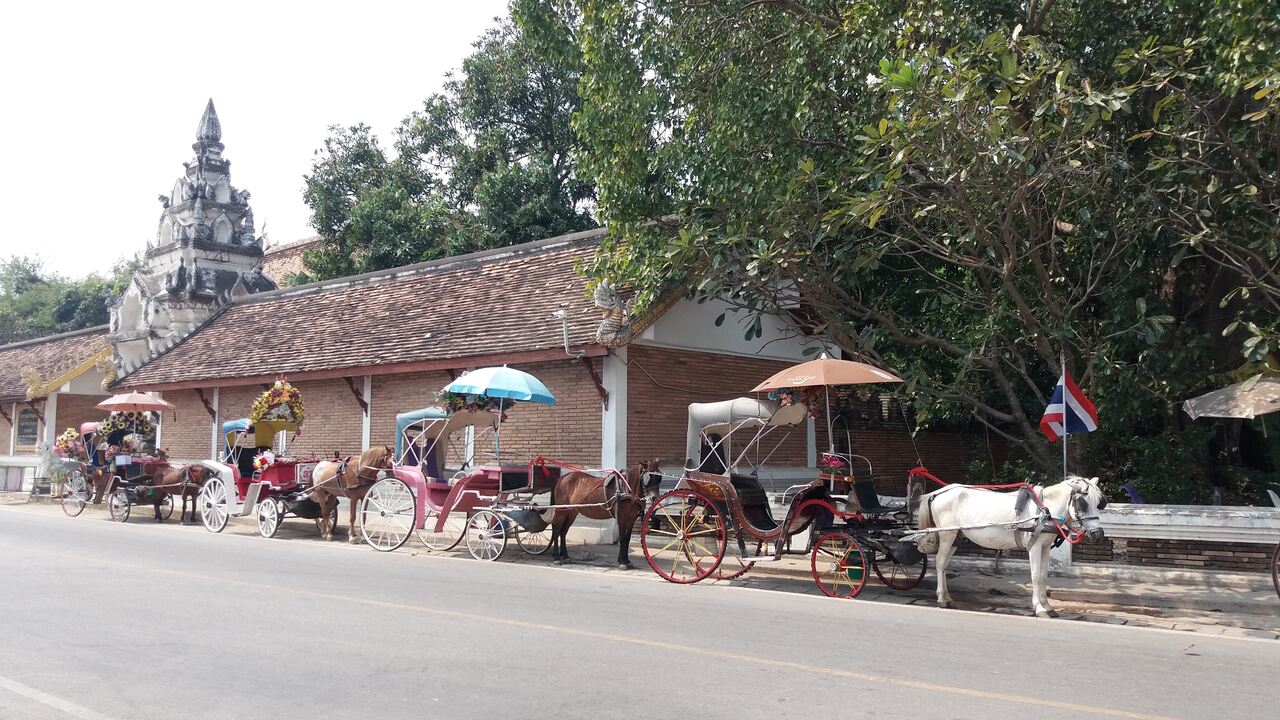
Interestingly, Lampang is the only city in Thailand where carriages are still used today. A ride in this means of transport is a must when visiting the city.

This is just the tip of the iceberg when it comes to attractions in Lampang. Temples, historical sites, markets, cafés are wonderful and worth checking out.
Lampang in northern Thailand – an amazing city and province
We encourage you to visit Lampang, learn about the local culture and see many interesting objects and buildings. This is a great opportunity to expand your knowledge of this region of northern Thailand and have unforgettable experiences. Visiting the city and the province has many advantages, and discovering the beauty of different places will bring a lot of satisfaction. We wish you a fruitful and pleasant visit to Lampang.
Motto of Lampang Province:
Well known coal, the famous horse-drawn carriages, renowned pottery.
The beauty of the Phra That Lampang Luang is celebrated far and wide.
The training of elephants is famous all over the world.
