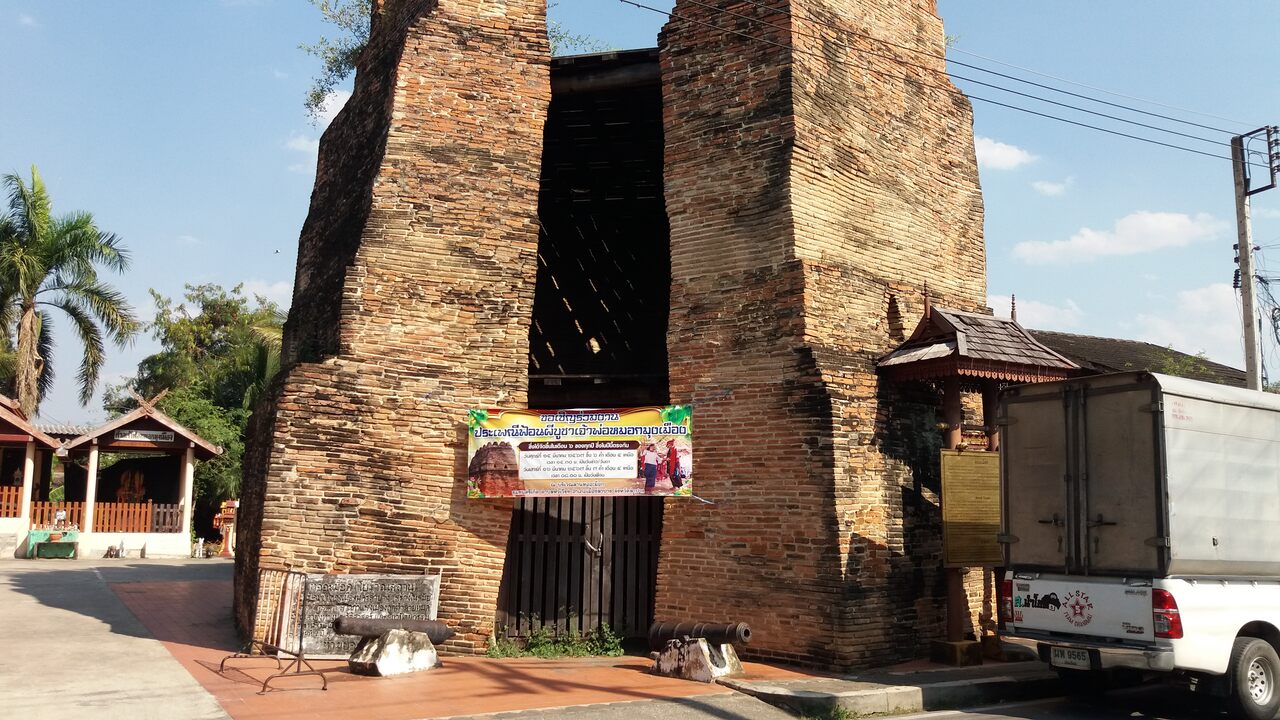

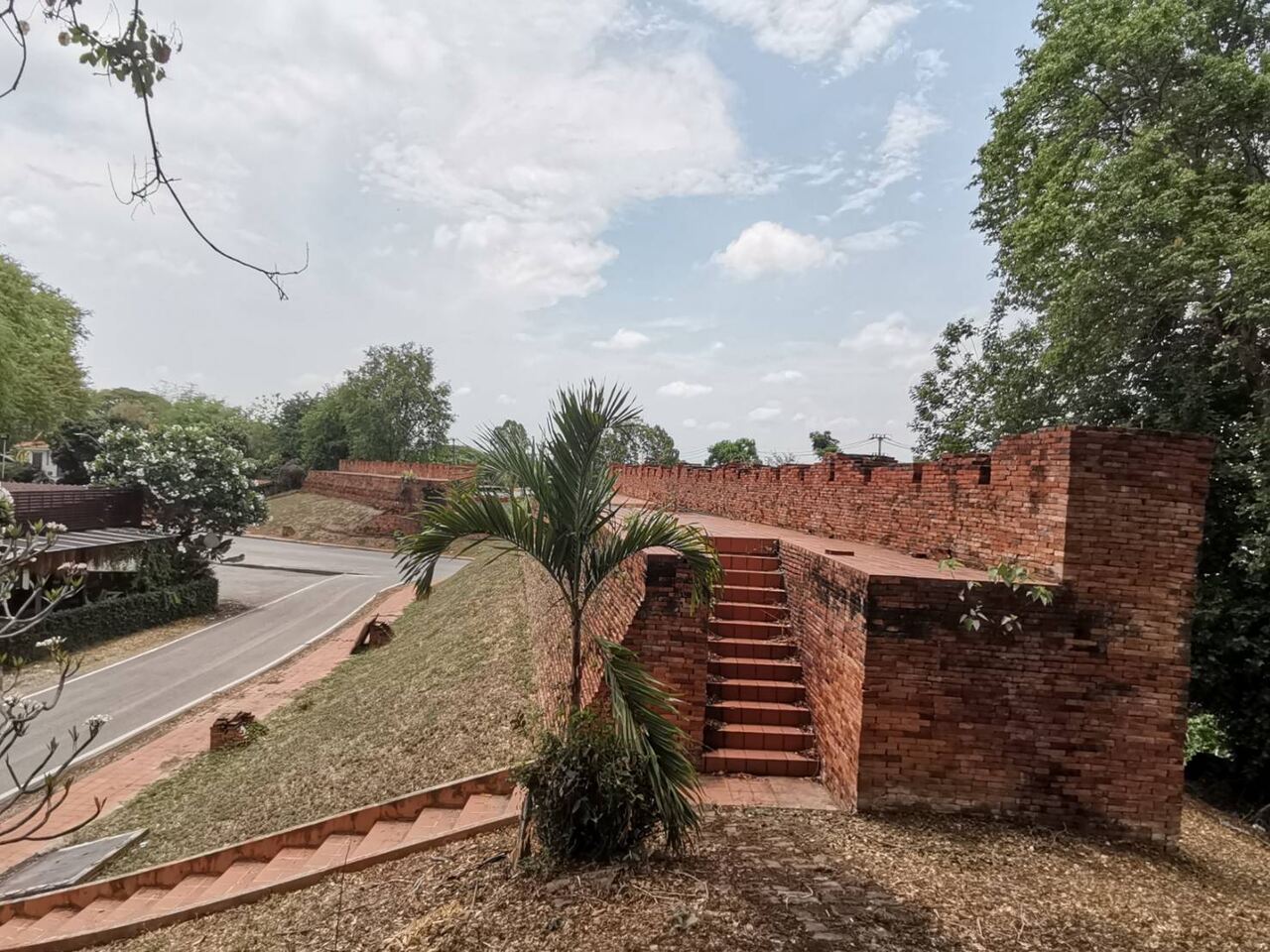
Pratu Ma in Lampang is one of those places where you can actually delve into the city’s past. The remains of the walls are excellent evidence that they were once an important strategic point in northern Thailand. So what history and stories do the walls hide?
Location of the monument in Lampang and access
First, some practical information before we reach far into the past.
Location
Pratu Ma is located in the northeastern part of Lampang in Wiang Nuea Sub-District of Mueang Lampang District. Not far from the walls is Wat Kaew Don Tao Suchadaram. While visiting the temple, you can go to see Pratu Ma. The distance from one place to another is 850 m.
Access
You can rent a songthaew in Lampang. There are a lot of this type of vehicles in the city center. It is also possible to order a taxi. Another option is private transportation or a guided tour.
There are no fees to see the monument. The walls can be visited all day long.
Pratu Ma in Lampang – the main features of this attraction
The meaning of the name
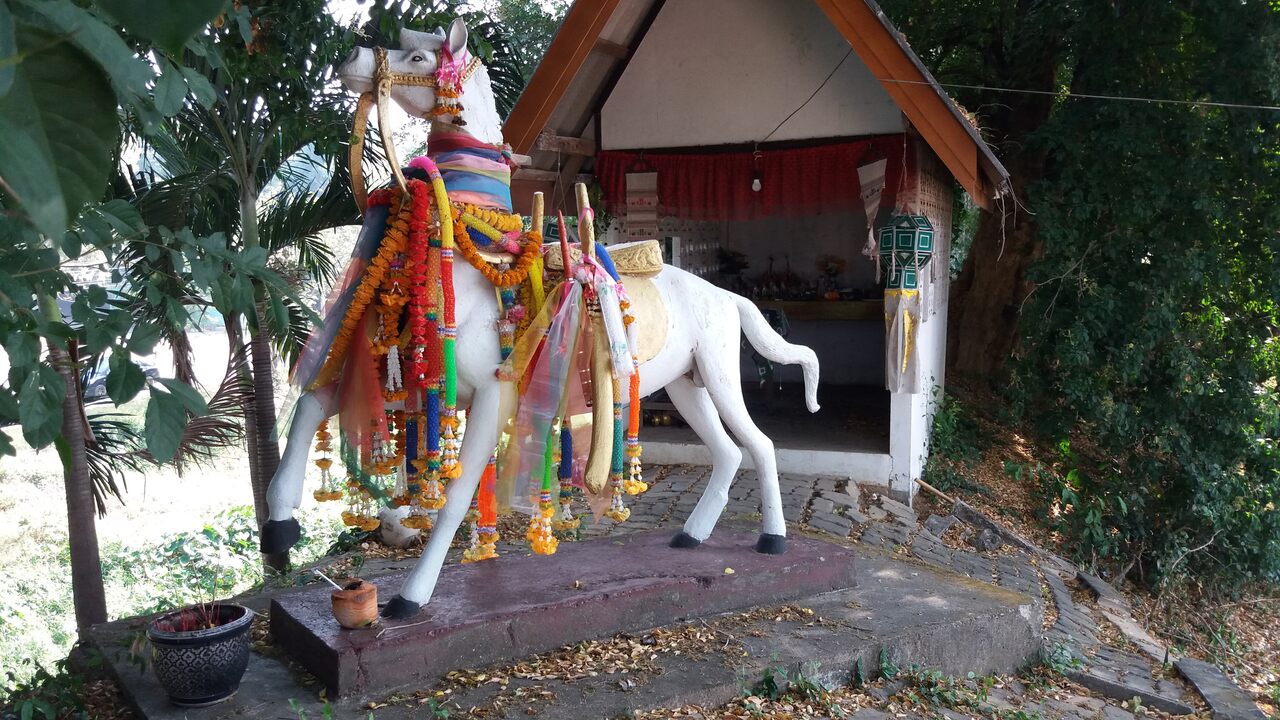
The name Pratu Ma is translated as Horse Gate. In Thai, the word pratu means gate, and the word ma means horse. Moreover, next to the walls on the right side, looking from the south side, there is a statue of a horse and a small chapel. This part of the walls used to serve as an entrance gate with walls on both sides.
Interesting theories related to the name
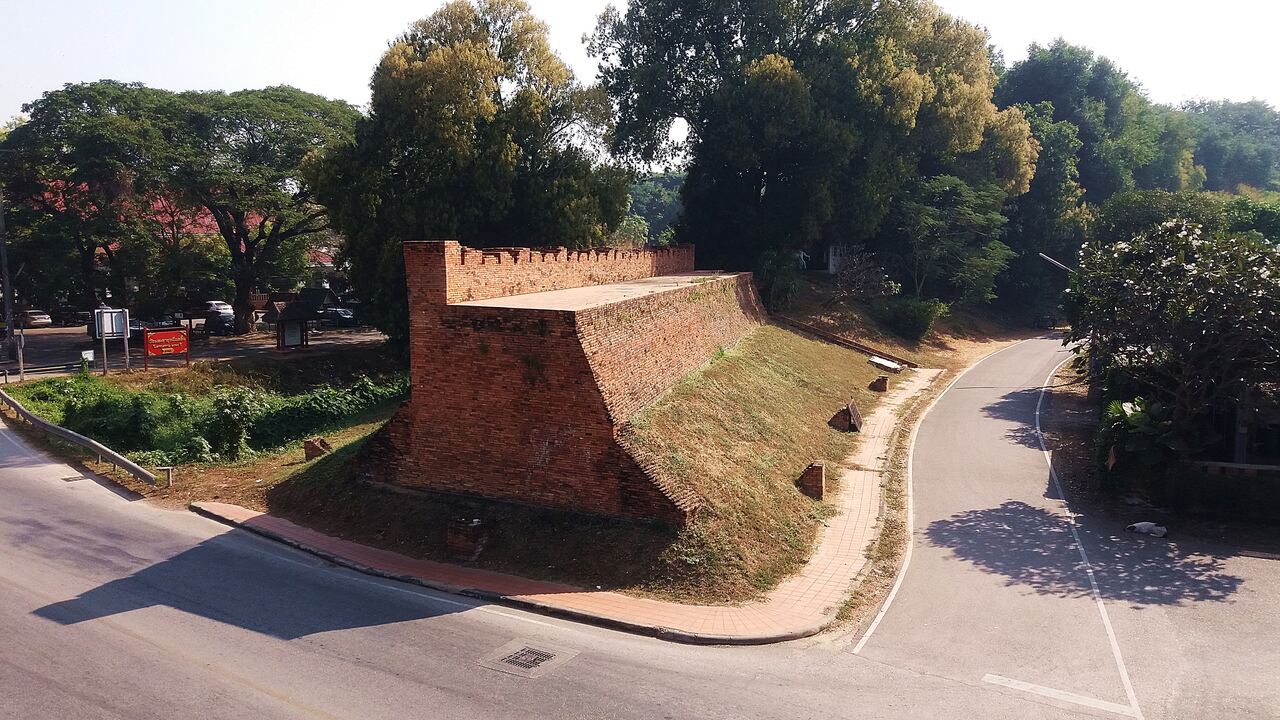
In the past, cities were built in a specific way. The eastern direction was considered inauspicious because this is where the bodies of the deceased were transported for cremation. At that time, people were not cremated in temples or in the city. For this reason, Pratu Ma was not called Horse Gate in the past.
Archaeologists have two interpretations regarding the name.
The first interpretation is related to the invasion of the Burmese. It is believed that it was through this gate that the Burmese army entered to attack the city. In the past, the Burmese were called “man” in the Lanna language.
The second interpretation is related to a word that is considered to be etymologically correct. The word is “mah”, and it means giant, spirit, non-human or animal.
The name of the gate was probably later distorted and took on its present form, Pratu Ma (Horse Gate).
Three stages of construction of Pratu Ma in Lampang
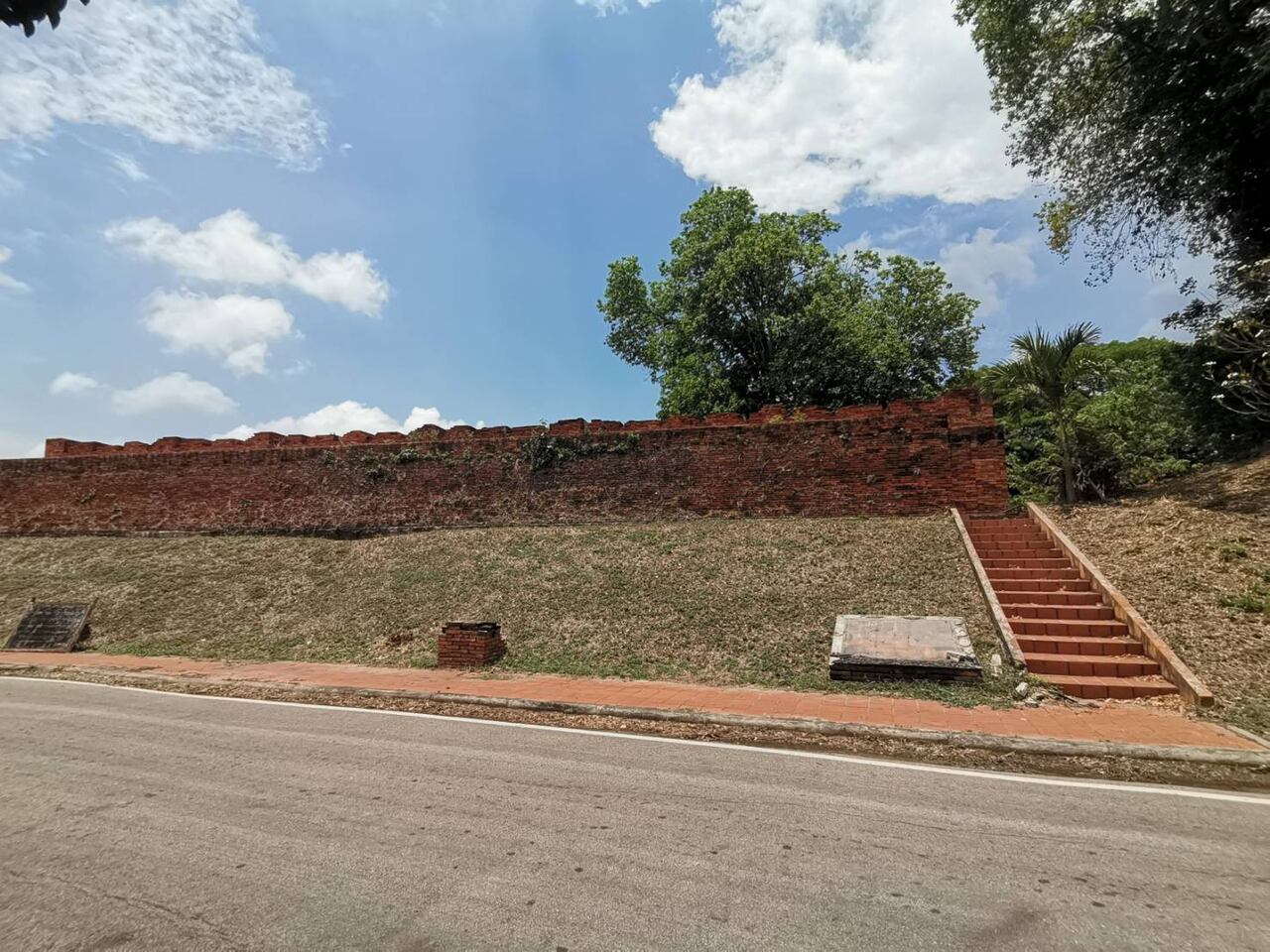
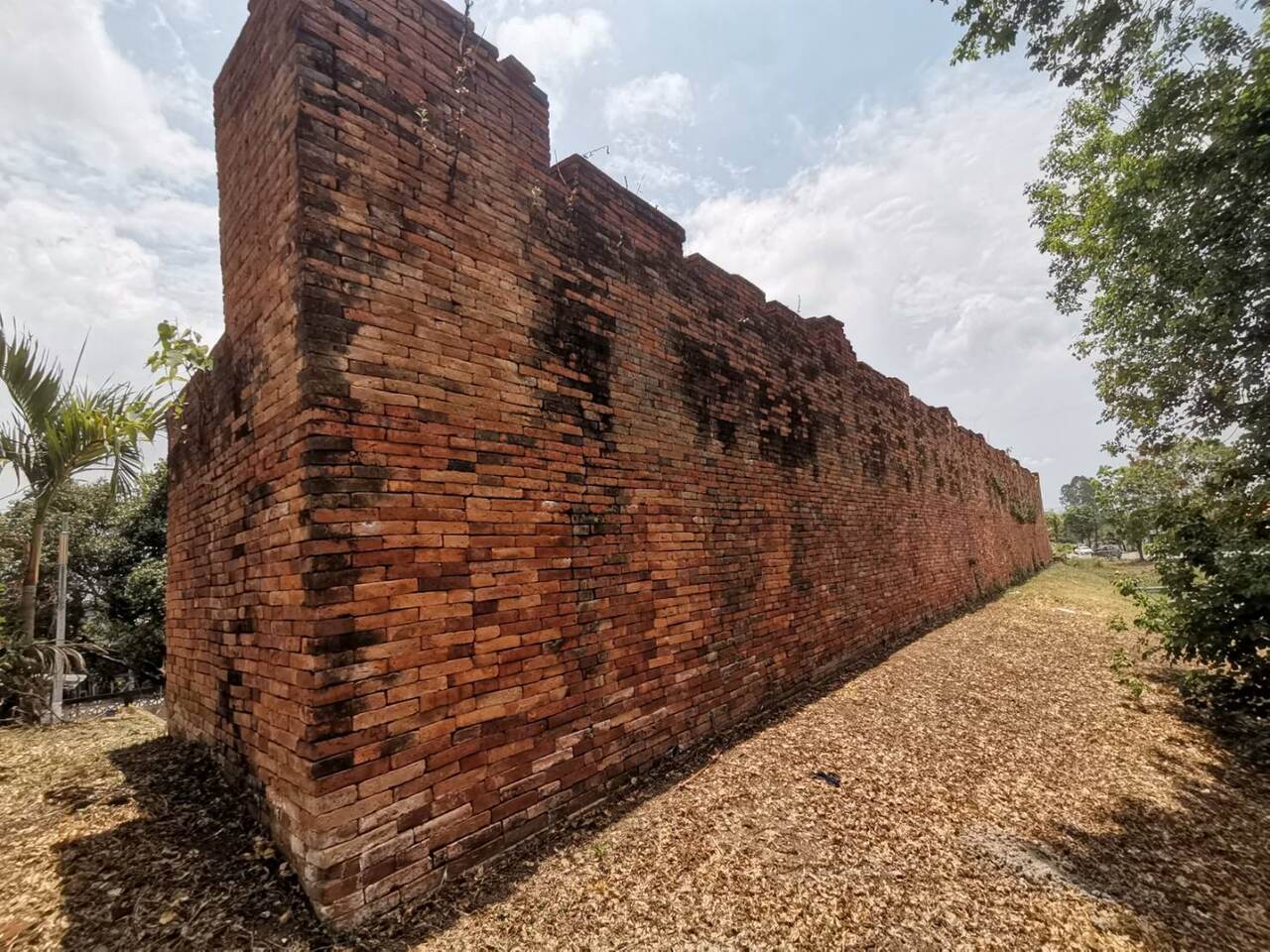
The construction of the walls began in the 7th century and was divided into 3 stages according to the Fine Arts Department.
The first works began in the 7th century during the reign of Queen Camadevi (also spelled Jamadevi), who was the ruler of the Hariphunchai Kingdom, currently Lamphun. She ordered the building of a city that is known today as Lampang.
Originally, only a 1.5 m high and 3 m wide earth mound was built with a 3 m wide moat surrounding it.
The second stage takes place in the 13th century. During this period, the wall was widened, and brick reinforcements were added.
The third stage of expanding the walls took place in the 14th century. The wall served as an important defense point during the wars between the Lanna Kingdom and Ayutthaya Kingdom.
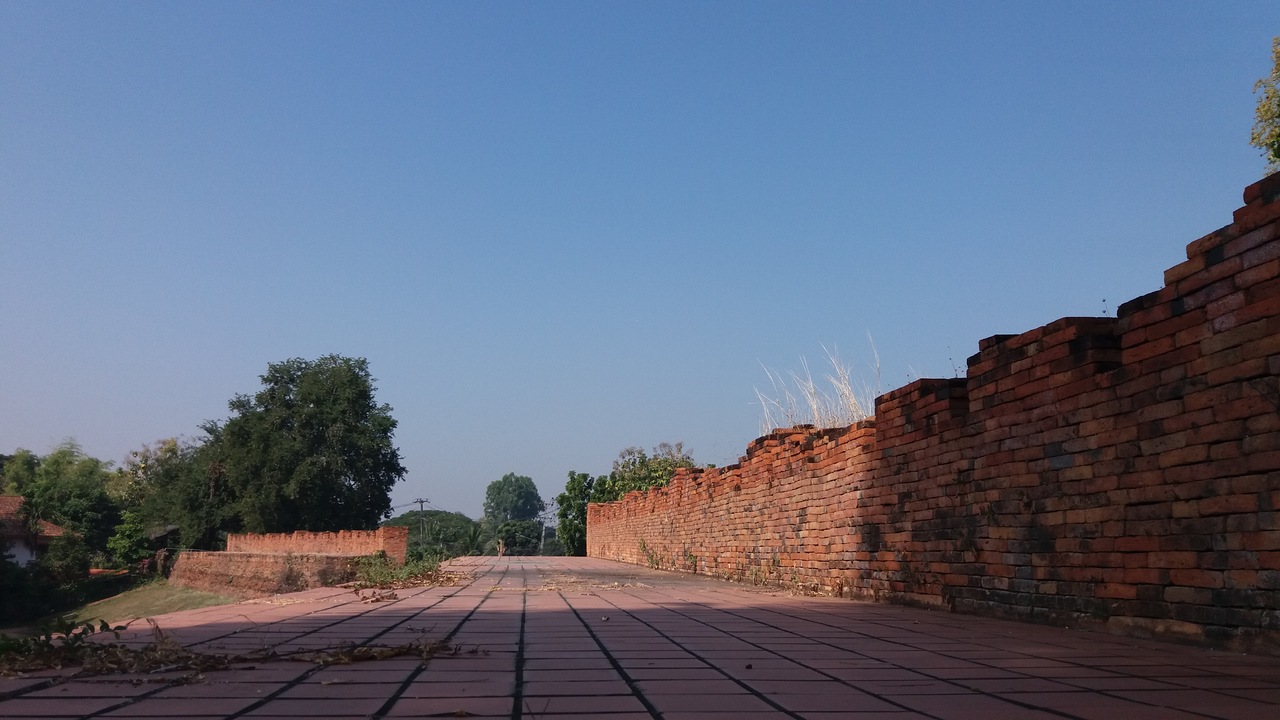
Currently, the upper parts of the wall are covered with tiles. The purpose of this procedure is probably to protect the restored parts of the gate.
You can go upstairs by stairs. They are at the ends of the walls on both sides of the street.
Pratu Ma in Lampang – an important monument
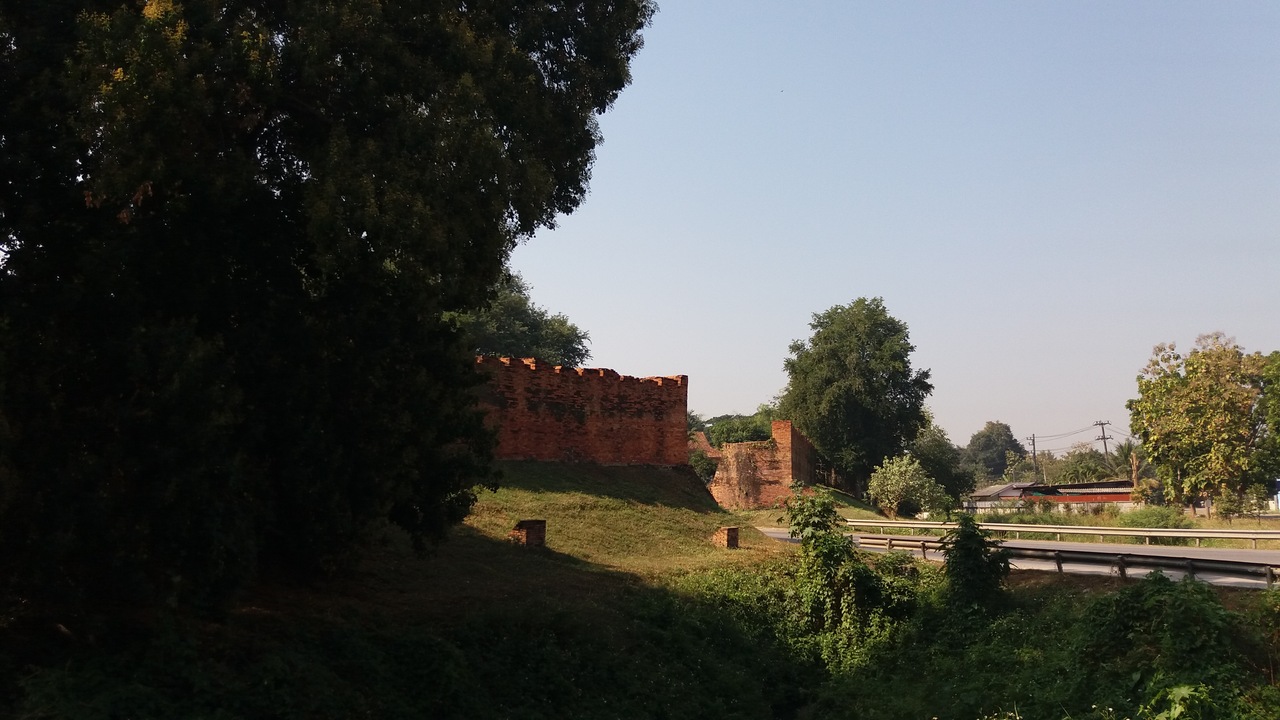
Today, the walls are a symbol of the rich and interesting past of Lampang and this region of northern Thailand. Pratu Ma is a legacy of ancient times that still tells an interesting story. If you want to learn more about Lampang’s past, visiting the walls is a good idea. Especially since they are not far from other attractions in the city.